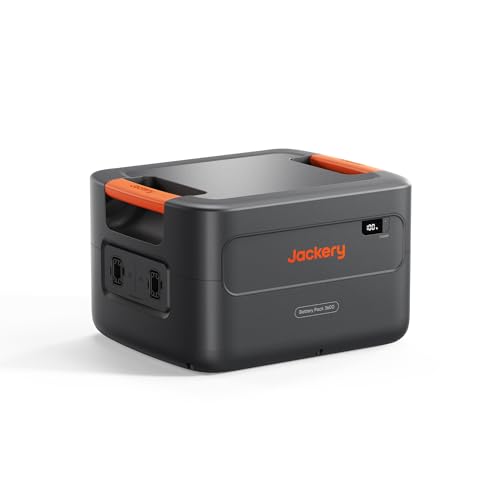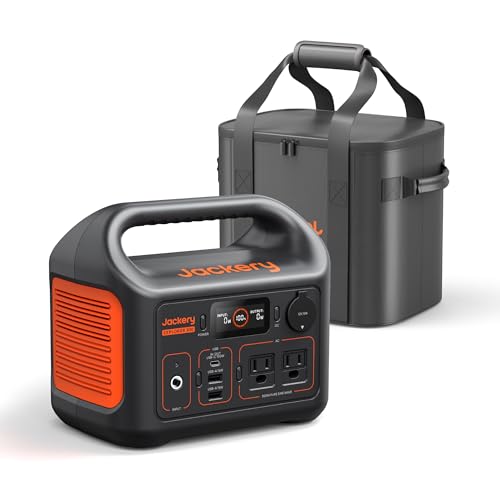
A portable power station is a large rechargeable battery with outlets: AC sockets, USB ports and often a car socket. They are sold mostly by two numbers, and buying the right size comes down to understanding both.
Watt-hours and watts
- Capacity, in watt-hours (Wh), is how much energy the battery stores: the size of the tank.
- Output, in watts (W), is how much power it can deliver at once: how fast the tank can empty.
You need enough output to run your device at all, and enough capacity to run it for as long as you need.
Step 1: list what you will power
Find the wattage of each device on its label or charger. A few typical figures:
| Device | Typical power |
|---|---|
| Phone charging | 10 to 25 W |
| Laptop | 45 to 100 W |
| CPAP machine (no humidifier) | 30 to 60 W |
| 12 V camping fridge (average) | 40 to 60 W |
| Electric kettle | 1,500 W and up |
Step 2: check the output
The power station's continuous output must be higher than the total of everything you will run at the same time. Surge output covers the brief spike some devices draw at start-up, such as fridges, pumps and power tools.
Heating appliances (kettles, hair dryers, space heaters) need a lot of power and drain even big batteries quickly. Most power stations are best for electronics, lights and small appliances.
Step 3: estimate the runtime
A useful rule of thumb:
Hours of runtime ≈ capacity (Wh) × 0.85 ÷ device watts
The 0.85 accounts for energy lost converting battery power to AC. For example, a 1,000 Wh station running a 60 W device: 1,000 × 0.85 ÷ 60 ≈ 14 hours. USB and 12 V outputs lose less than AC.
Step 4: choose the battery chemistry
- LiFePO4 (lithium iron phosphate) batteries are typically rated for thousands of charge cycles and are very stable. They are heavier for the same capacity.
- NMC (lithium nickel manganese cobalt) batteries are lighter but usually rated for fewer cycles.
If you will use it often, for example as home backup or on a weekly basis, LiFePO4 is usually worth the extra weight.
Charging, solar and travel
- Check how fast it recharges from the wall; some models refill in an hour or two.
- For off-grid use, check the solar input limit in watts. A panel can only charge as fast as the station accepts.
- Look for a pure sine wave inverter if you will run sensitive electronics.
- Power stations are not allowed on planes: US rules limit spare lithium batteries in carry-on bags to 100 Wh, or 160 Wh with airline approval, far below most stations.
A quick sizing guide
- Phones, lights and a laptop for a weekend: about 250 to 500 Wh.
- Camping fridge or CPAP for a few nights: about 1,000 Wh, or less with solar.
- Home backup for essentials during an outage: 2,000 Wh and up, ideally expandable.